Leadership & School Culture
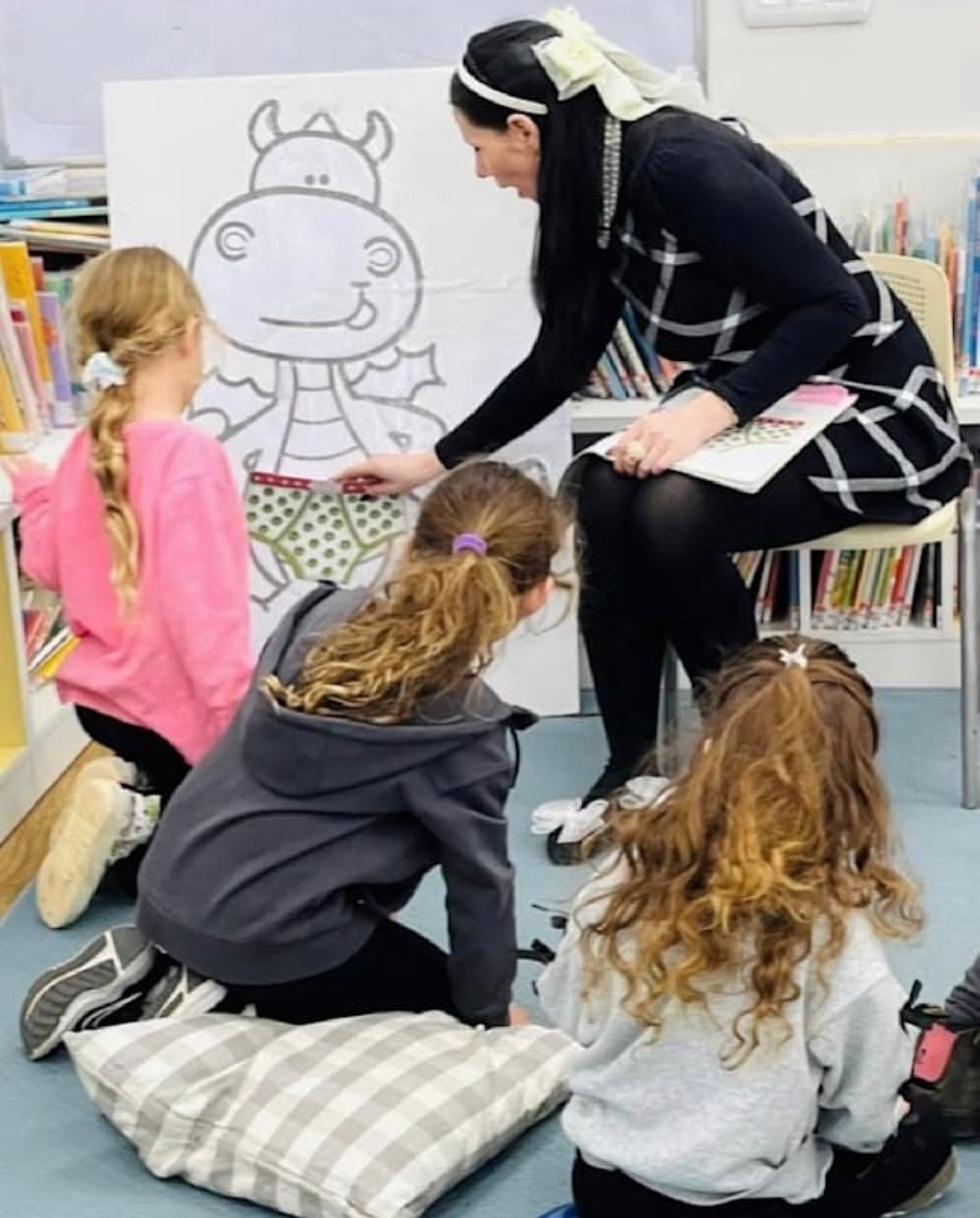
Great schools are built through people. Leadership means creating the conditions in which adults and children can do their best work.
Leadership Philosophy & Growth
I believe great schools are built through people, not programs. Strong curriculum, innovative initiatives, and impressive facilities all have value, but lasting success comes from talented educators working toward a shared vision in an environment where they feel trusted, supported, and accountable.
My leadership style is collaborative, visible, and relationship-driven. I do not believe in leading from behind a desk. Leaders should spend time where learning happens—in classrooms, alongside teachers, with students, and in conversation with families. Trust is built through consistency, transparency, and follow-through.
I strive to create schools where adults continue learning alongside children, where innovation is encouraged, and where high expectations are paired with meaningful support. Leadership is not simply about directing others; it is about creating the conditions for people to do their best work and developing future leaders throughout the organization.
I also believe that strong schools continue to grow and evolve. Successful improvement begins with listening. Resistance is rarely about the change itself; it is often about people feeling that change is being done to them rather than with them. Before implementing new initiatives, I work to ensure that teachers, students, and families understand both the purpose behind the change and the desired outcome.
My approach balances long-term vision with practical implementation. I establish clear goals, communicate expectations openly, monitor progress consistently, and remain willing to adjust course when evidence suggests a different path is needed. Effective leadership requires confidence, but it also requires humility.
Sustainable growth happens when people understand the vision, feel ownership of the process, and can see evidence of progress along the way.
Recruiting & Retaining Excellent Teachers
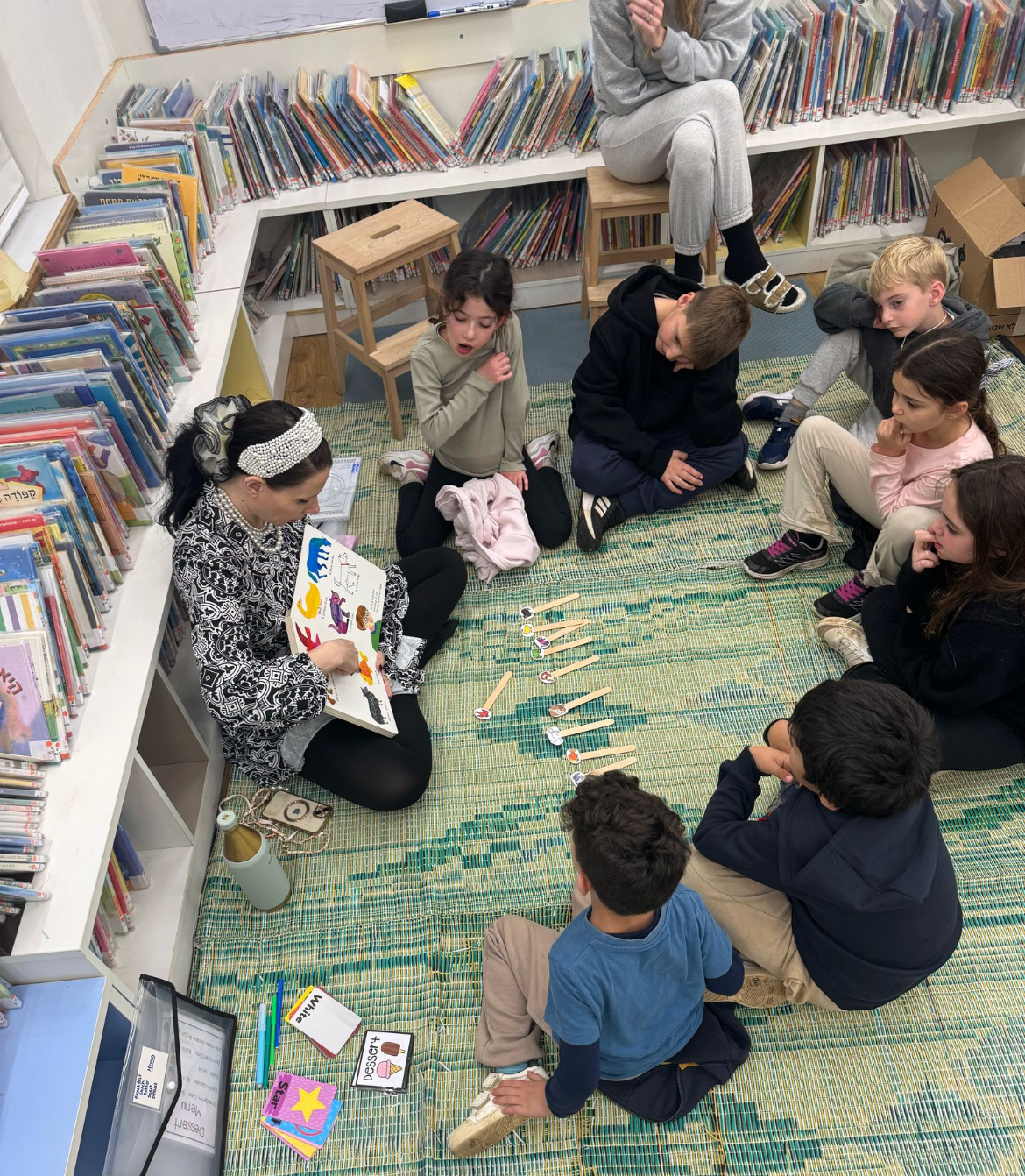
Recruiting exceptional teachers is one of the most important responsibilities of school leadership, and it requires understanding who someone is as a person, not just what's on their CV. Some of the best educators and leaders I have worked with revealed their real strengths through conversation and observation rather than credentials on paper—qualities like empathy, emotional intelligence, warmth, instinct about children, resilience, and dedication.
Qualifications, certifications, and experience matter, and so does something harder to measure: commitment to children, adaptability, willingness to learn, and the passion someone brings to their work every day. That combination is what distinguishes the most impactful educators I've worked with, regardless of how their resume reads on paper.
Coaching & Development
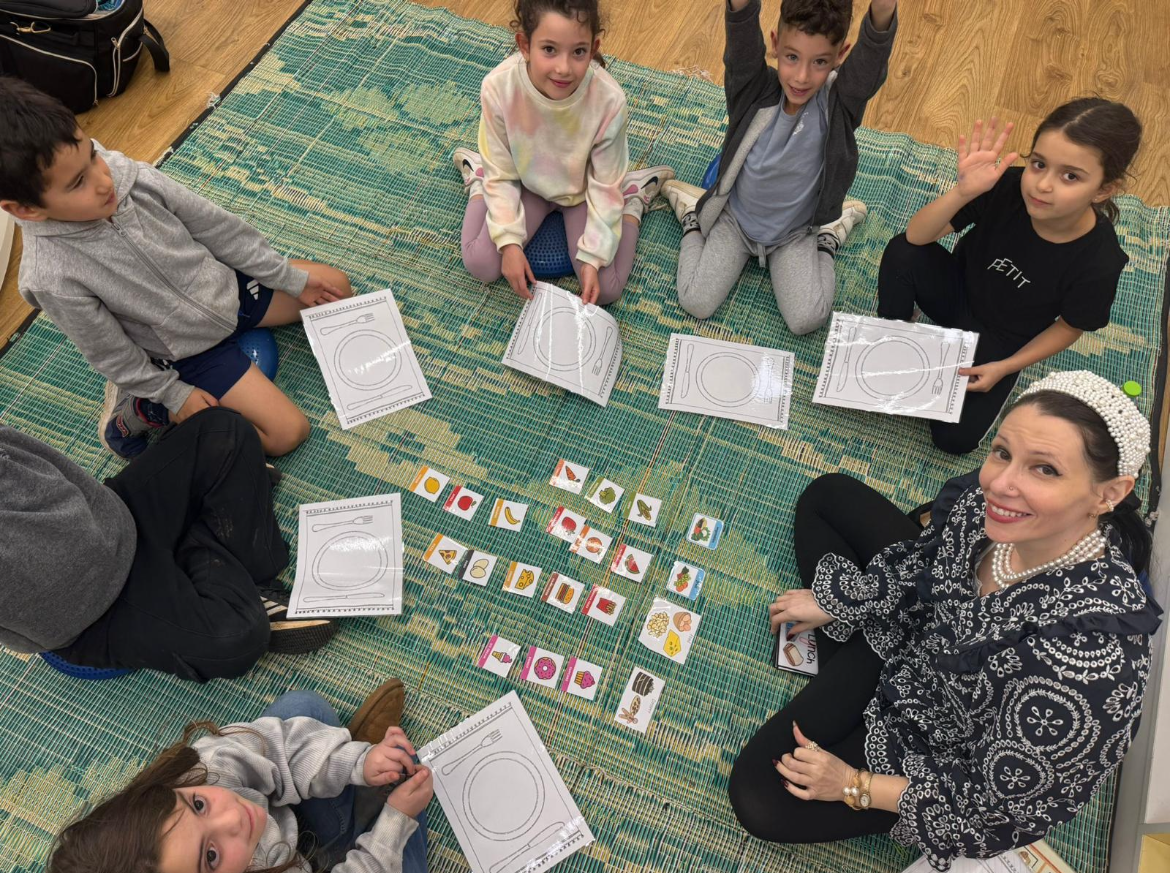
One of the most important responsibilities of a school leader is developing people.
I believe professional growth is an ongoing process rather than a series of isolated workshops. Effective development happens through coaching conversations, classroom observations, collaborative planning, reflection, and continuous follow-up throughout the year.
Teachers perform at their best when expectations are clear, communication is open, and leadership is predictable. I believe accountability works best when it is grounded in shared goals rather than compliance. Educators should understand not only what is expected of them, but why those expectations matter for children.
When someone is struggling, my first question is not, "Who is at fault?" but rather, "What support, clarity, or development is needed?" Most performance challenges stem from gaps in skill, communication, or support rather than a lack of commitment. My responsibility as a leader is to identify the root cause, provide appropriate guidance, and ensure expectations remain clear.
My approach begins by identifying strengths and building from them. Every educator brings valuable skills and experiences to a school community, and meaningful growth occurs when coaching recognizes those strengths while providing clear next steps for development.
I also believe schools become stronger when leadership is distributed. Developing future curriculum leaders, coordinators, and administrators creates capacity throughout the organization and ensures that leadership is not concentrated in a single individual.
When teachers grow professionally, students benefit directly.
School Culture
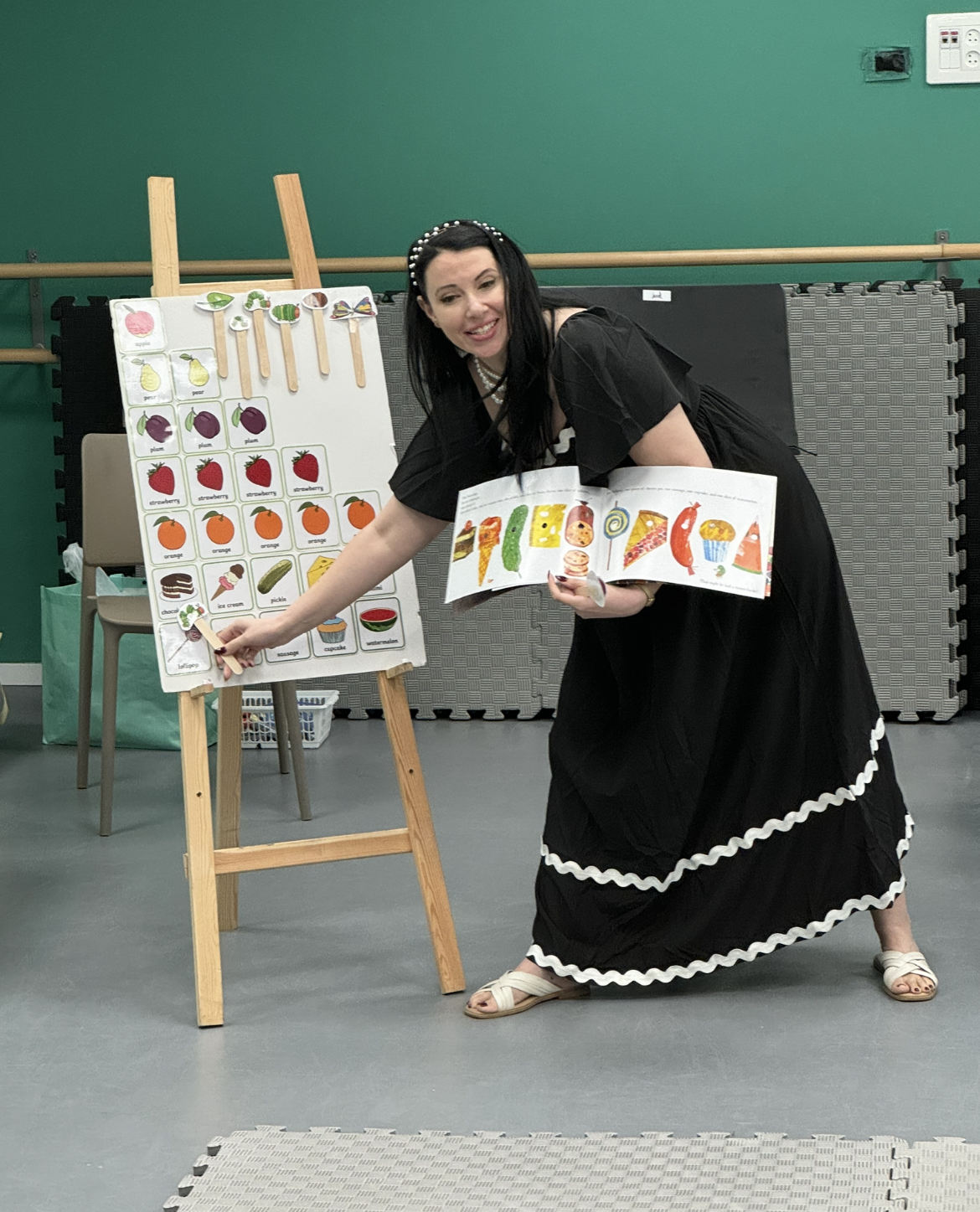
School culture is not created through mission statements. It is created through daily interactions, shared expectations, and the way people treat one another.
I believe positive culture must be built intentionally. Students should feel safe, valued, and known. Staff should feel trusted, supported, and empowered to do their best work. Families should feel welcomed as genuine partners in the educational journey.
Strong cultures balance warmth with high expectations. They create a sense of belonging while also challenging students and adults to grow, contribute, and take responsibility for the community they are part of.
The healthiest school communities create environments where both children and adults can thrive.
Family Partnerships & Dialogue
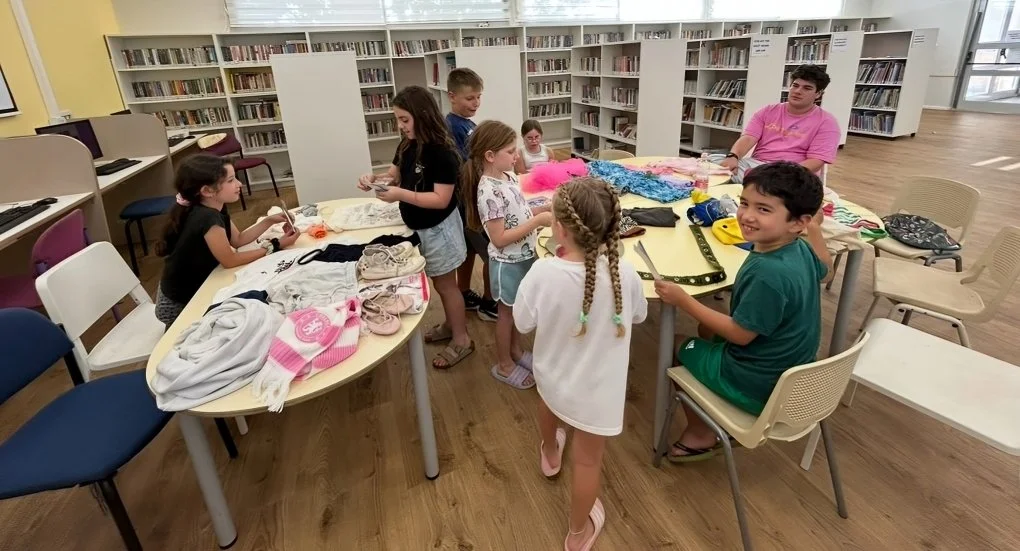
Families are a child's first and most enduring influence. Strong schools recognize that parents and caregivers bring invaluable knowledge about their children, and meaningful partnerships create the consistency and support that help students thrive.
I believe communication should be proactive, transparent, and relationship-centered. Families should hear about successes, celebrations, and growth—not only concerns.
Some of the most important conversations in schools happen when concerns, disagreements, or strong emotions are present. When handled well, these moments can strengthen trust rather than diminish it.
My approach is grounded in empathy, clarity, professionalism, and active listening. Parents almost always want what is best for their children, even when concerns or emotions are running high. Beginning with that assumption changes the nature of the conversation.
I focus on understanding concerns, communicating honestly, and working collaboratively toward solutions that support the child's wellbeing and development.
The goal is not simply to resolve a problem. The goal is to preserve and strengthen the relationship so that families continue to view the school as a trusted partner in their child's education.
Safeguarding & Wellbeing
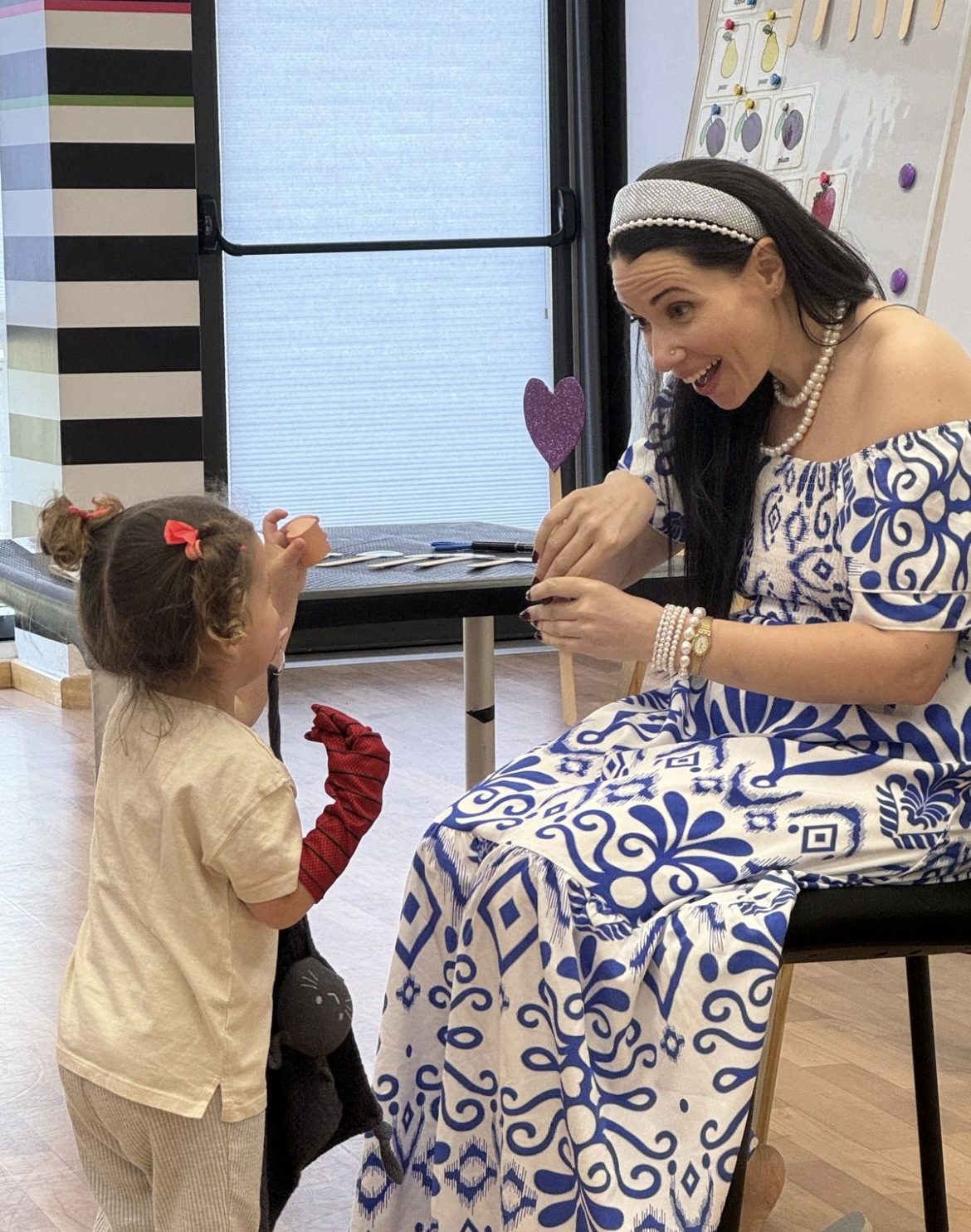
Children learn best when they feel safe, secure, and connected.
Safeguarding extends far beyond policies and procedures. It requires creating environments where students know they are respected, supported, and able to seek help when needed. It also requires ensuring that every adult understands their responsibility in protecting and supporting children.
I believe wellbeing is not a separate initiative. It should be woven into the daily life of a school—from classroom relationships and social-emotional learning to behavior support, family partnerships, and the way a community cares for one another.
Academic success and student wellbeing are deeply interconnected. Schools that prioritize both create stronger outcomes for children and healthier learning communities overall.